
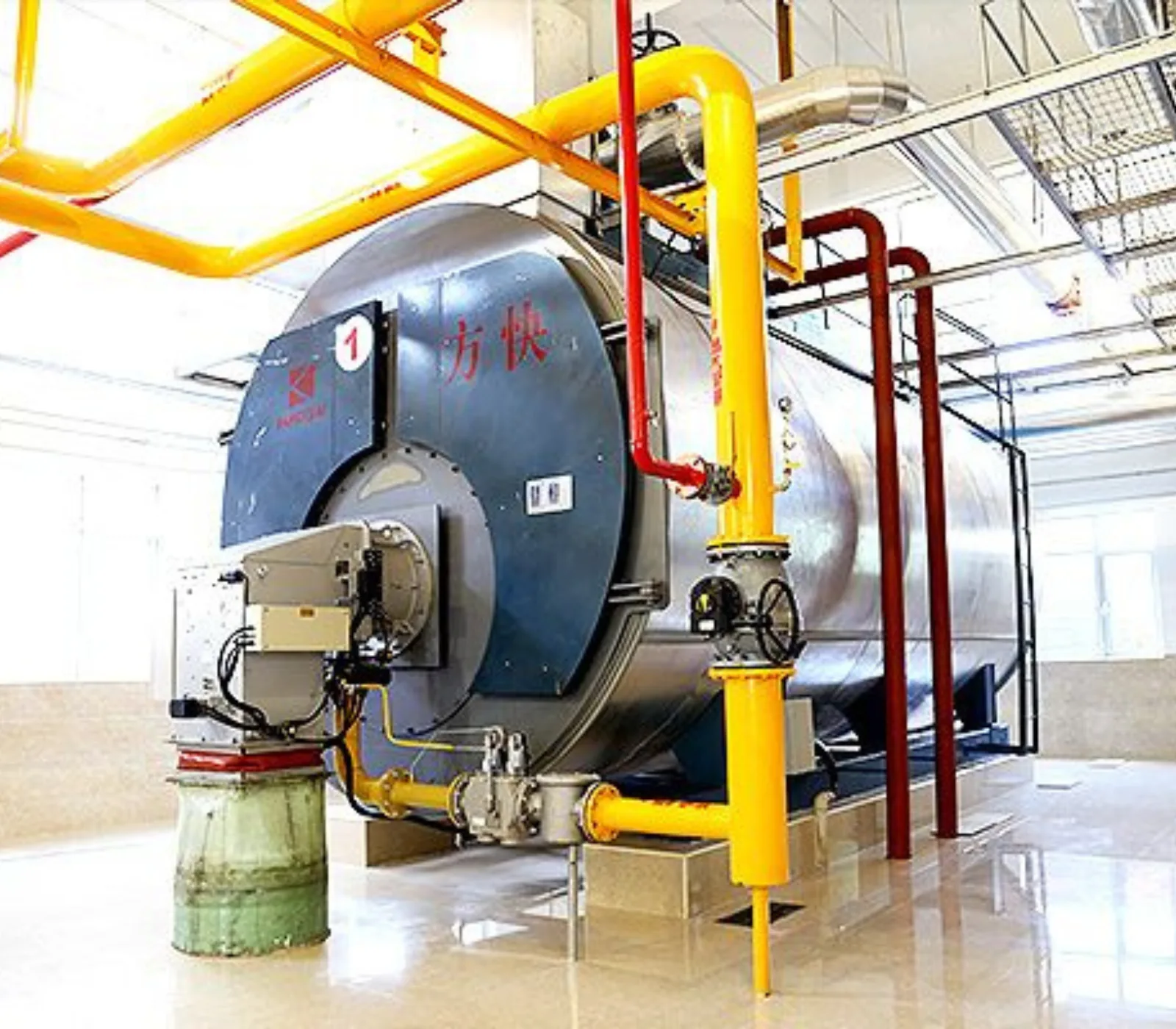
Boiler Efficiency Assessment
Measurement of flue gas composition (O2, CO2, CO), stack temperature, radiation and convection losses, excess air levels, and combustion efficiency. We benchmark against BEE norms and identify optimisation opportunities including O2 trim control, soot blowing schedules, and burner tuning.
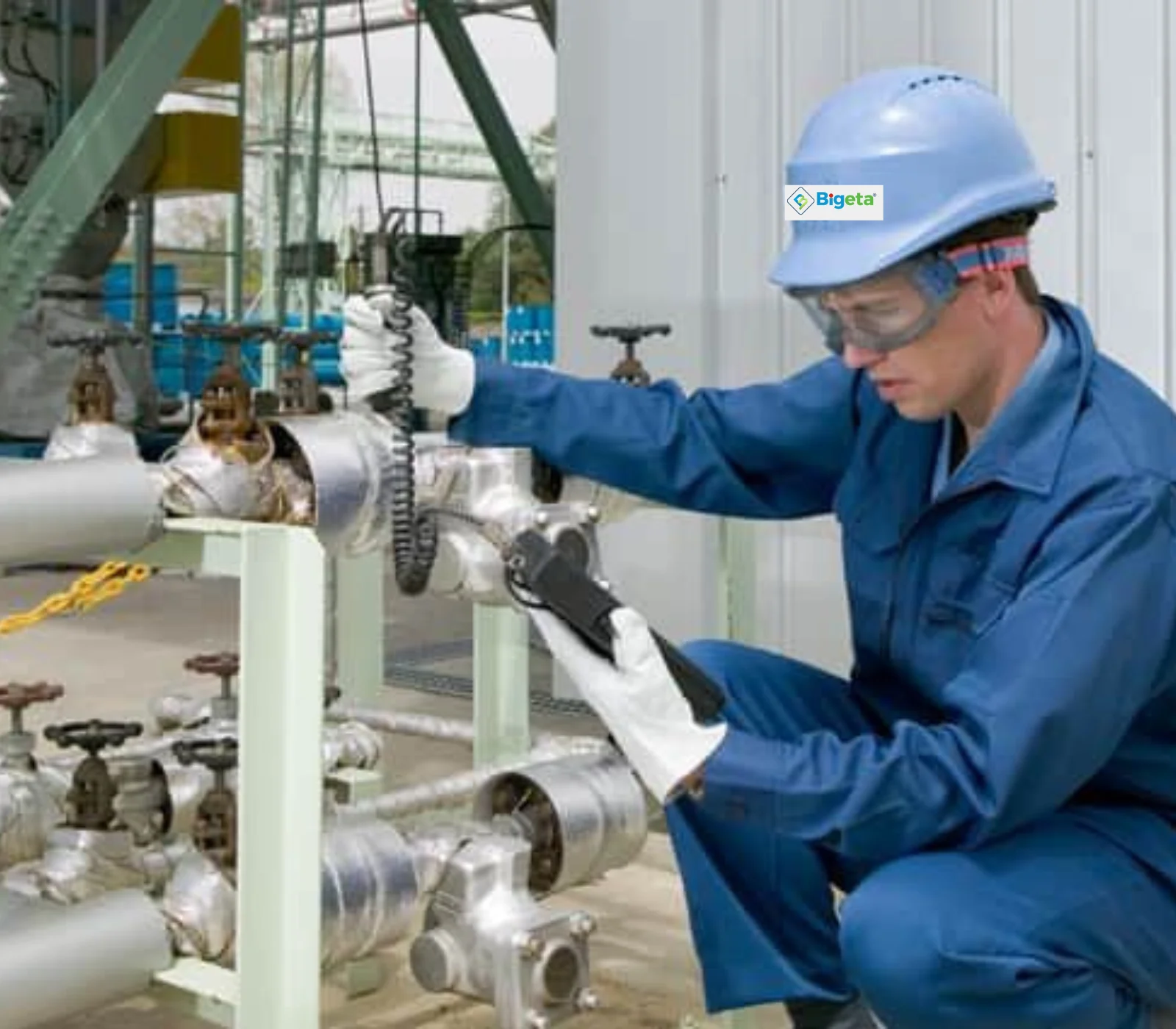
Steam System & Trap Audit
Survey of the entire steam distribution network — steam traps (tested ultrasonically), condensate recovery rates, distribution losses, pressure drops, and flash steam utilisation. Failed steam traps alone can waste 10–15% of steam generated.
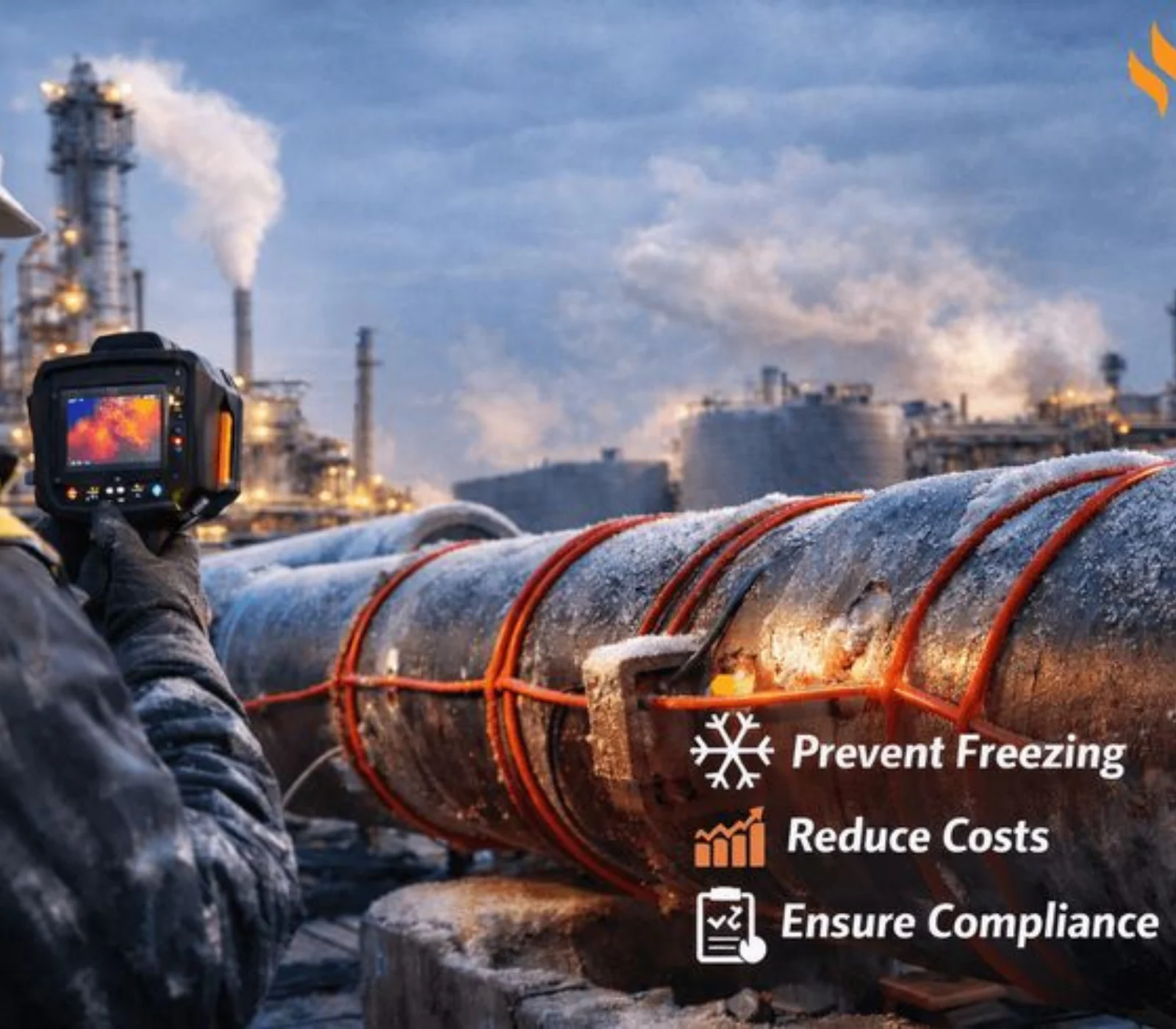
Heat Loss & Insulation Audit
Infrared thermography of all insulated surfaces — pipes, ducts, vessels, and equipment — to identify hot spots, missing insulation, and degraded lagging. Quantification of heat loss in kW and fuel cost equivalent for each identified area.
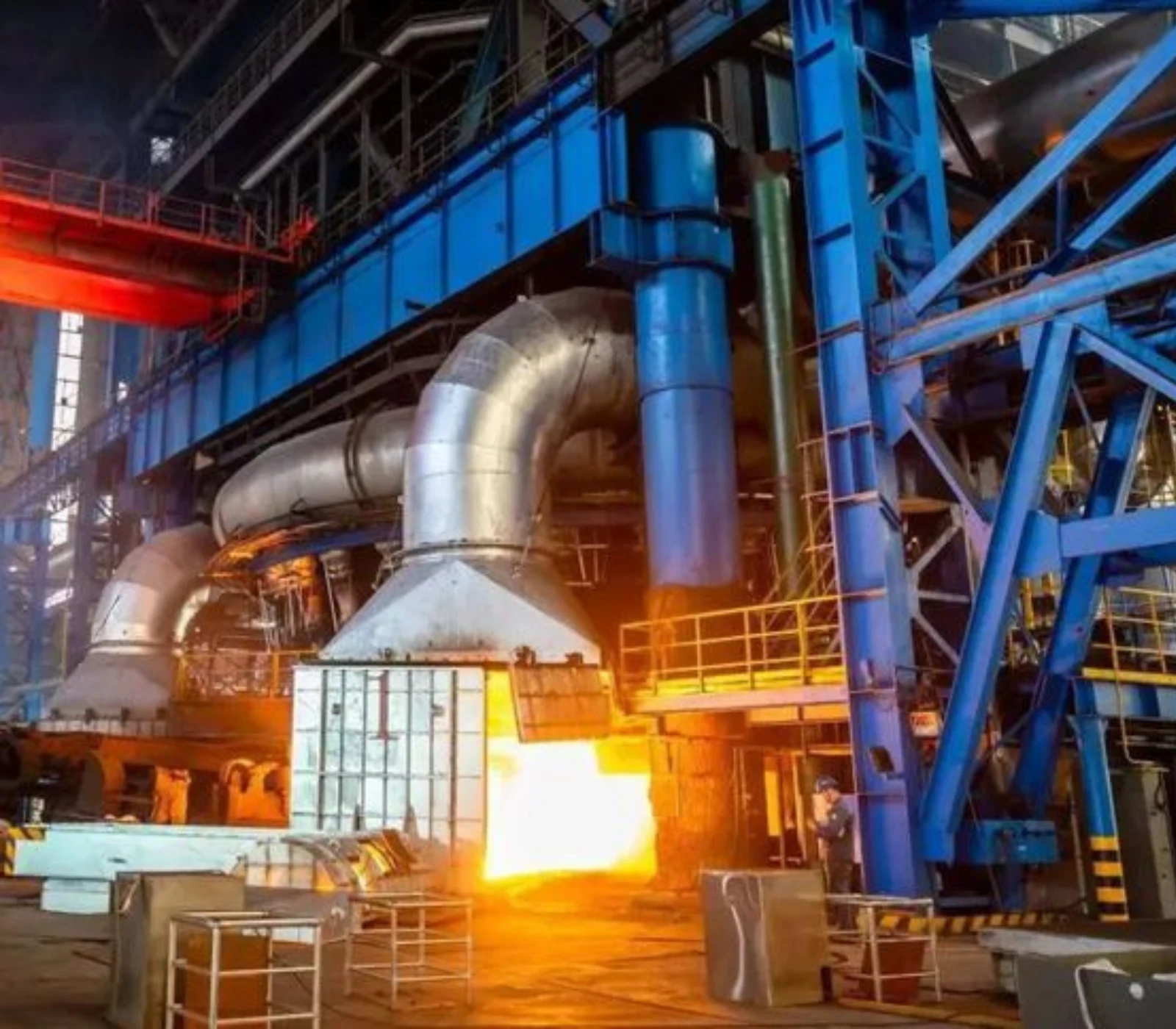
Furnace & Kiln Evaluation
Assessment of combustion efficiency, air-to-fuel ratio, refractory lining integrity, heat distribution uniformity, and waste heat in flue gases. Recommendations cover burner upgrades, recuperators, regenerative burners, and process control improvements.
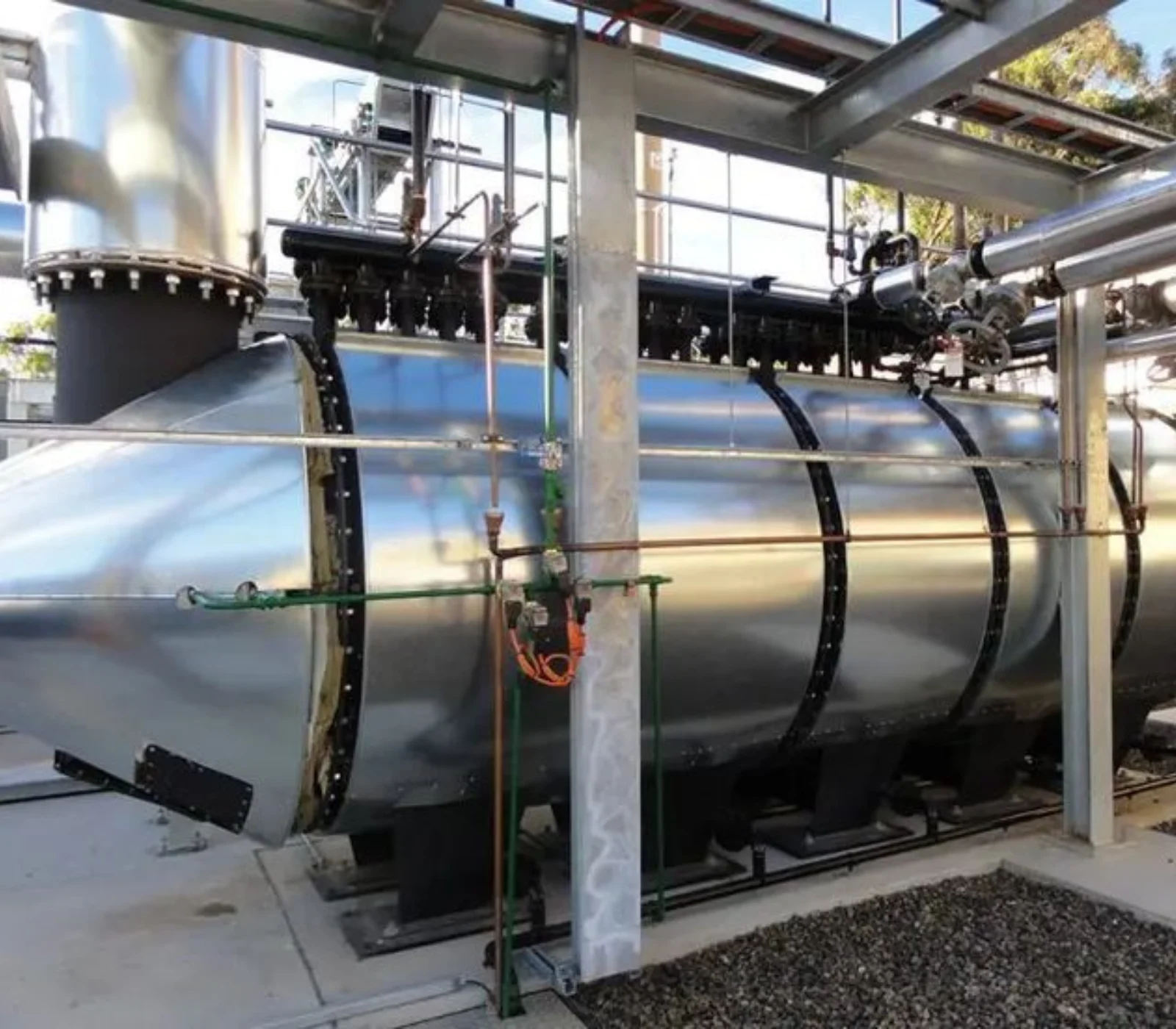
Waste Heat Recovery Analysis
Identification of all waste heat streams — flue gas, condensate, blowdown, process cooling streams — with quantification of recoverable energy. We evaluate the technical and economic feasibility of heat exchangers, economisers, waste heat boilers, and cogeneration.
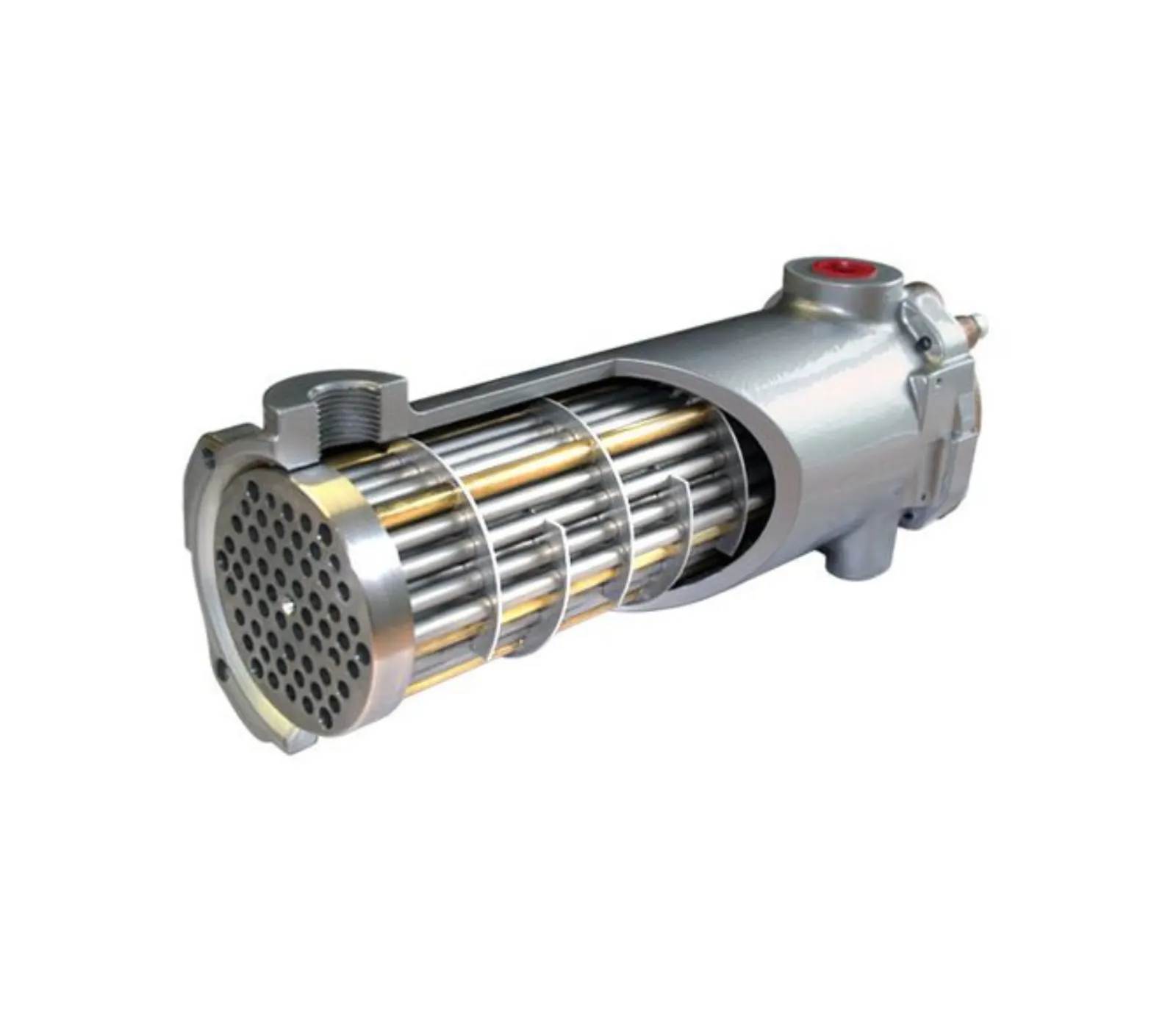
Heat Exchanger Performance
Fouling assessment, heat transfer coefficient measurement, approach temperature analysis, and pressure drop testing across all major heat exchangers. We identify cleaning schedules, retubing requirements, and redesign opportunities to restore design performance.


