
Thermography
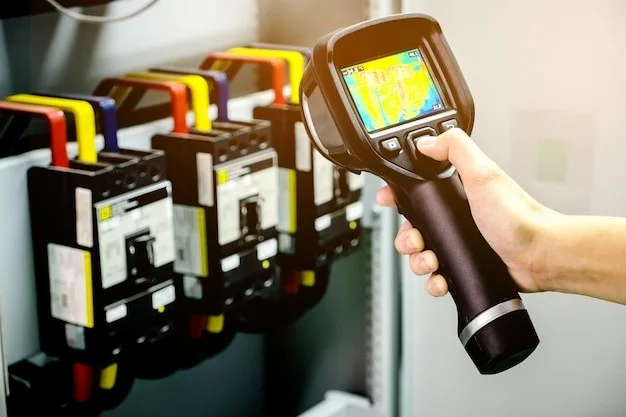
Infrared thermography is one of the most effective predictive maintenance tools used to detect abnormal heat patterns in electrical, mechanical, and process systems before they turn into failures. In industrial plants, commercial buildings, utilities, and infrastructure assets, heat is often the first visible sign of deterioration. Loose electrical terminations, overloaded circuits, failing bearings, insulation breakdown, refractory loss, and hidden thermal leakage all generate abnormal temperature signatures long before equipment fails. Bigeta Energy Solutions delivers professional Infrared Thermography Services across India to help organisations identify hidden defects, prevent equipment failures, improve safety, and optimise reliability.
Using calibrated thermal imaging instruments and certified inspection methodology, we convert invisible heat signatures into actionable maintenance intelligence. Our thermography assessments support predictive maintenance, electrical safety, reliability engineering, and energy efficiency programmes across diverse industries. A single undetected hotspot in a switchboard, transformer, bearing, or process line can escalate into a costly shutdown, fire incident, or asset failure. Infrared thermography enables early detection without shutdown, dismantling, or contact with live systems making
What Is Infrared Thermography?
Infrared thermography is a non-contact diagnostic technique that uses thermal imaging cameras to detect infrared radiation emitted by equipment and surfaces. Every object above absolute zero emits infrared energy. A thermal camera captures this radiation and converts it into a visual temperature map, allowing engineers to identify abnormal heat patterns that indicate deterioration, inefficiency, or failure risk. Unlike conventional inspections, thermography detects problems that are invisible to the naked eye. It allows maintenance teams to identify electrical hotspots, overloaded conductors, insulation failure, steam leakage, refractory deterioration, mechanical friction, and hidden heat loss while equipment remains energised and operating under load. This makes thermography ideal for predictive maintenance, reliability engineering, energy audits, and safety inspections.
What Our Thermography Inspection Covers ?
Our thermography inspections are structured across five major application areas to ensure complete thermal condition assessment of critical assets.
- Electrical Systems & Panels: Inspection of PCCs, MCCs, switchboards, LT/HT panels, transformers, bus ducts, cable joints, breakers, relays, capacitors, and distribution boards to identify loose connections, phase imbalance, overloads, harmonic heating, contact resistance rise, and fire-prone hotspots.
- Mechanical Systems & Rotating Equipment: Thermal inspection of motors, bearings, couplings, pumps, compressors, fans, blowers, gearboxes, and conveyors to detect friction, lubrication issues, shaft misalignment, excessive load, and component wear.
- Process & Thermal Systems: Inspection of boilers, furnaces, steam lines, heat exchangers, kilns, refractory linings, insulated pipelines, valves, and ducts to detect thermal leakage, refractory damage, insulation degradation, steam trap failures, and process heat loss.
- Building & Utility Systems: Thermal imaging of HVAC systems, chilled water lines, ducts, building envelopes, roofs, insulation, water ingress zones, and utility systems to identify energy losses, thermal bridging, and moisture- related defects.
- Solar PV Thermography: Inspection of solar PV modules, string combiner boxes, connectors, junction boxes, inverters, and cable terminations to identify hotspot cells, bypass diode failures, connector overheating, and underperforming strings.
Standards & References We Apply
NFPA 70B
Recommended practice for electrical equipment maintenance and infrared inspection of electrical systems for early hotspot identification and fire prevention.
ISO 18434
Condition monitoring and diagnostics of machines — thermography based condition monitoring methodology and diagnostic interpretation.
ASTM E1934
Standard guide for examining electrical and mechanical equipment using infrared thermography for anomaly detection and severity assessment.
IEC 60584 / IEC Practices
Applied for thermal correlation, electrical diagnostics, and industrial condition assessment where relevant to equipment and process systems.
ASHRAE Guidelines
Used for HVAC, thermal envelope, and building system thermography for temperature and airflow related diagnostics.
Key Benefits of a Bigeta Thermography Assessment
Prevent Failures Before They Occur
Identify abnormal heat patterns early and correct defects before they result in breakdowns, production losses, or catastrophic failures.
Improve Electrical Safety
Detect loose connections, overloaded circuits, and fire-prone hotspots in live electrical systems before they escalate into arc flash or fire incidents.
Reduce Downtime
Thermography enables non-intrusive inspection under operating conditions allowing issues to be identified without shutdown and maintenance to be planned proactively.
Lower Maintenance Cost
Shift from reactive maintenance to predictive maintenance by identifying developing faults before secondary damage occurs.
Improve Energy Efficiency
Identify insulation losses, thermal leakage, HVAC inefficiencies, and process heat losses to reduce avoidable energy consumption.
Support Reliability & Compliance
Thermography supports reliability centred maintenance programmes and helps maintain compliance with electrical safety and asset integrity practices.
Frequently Asked Questions — Infrared Thermography
Why is thermography important for electrical systems?
Can thermography be performed without shutdown?
What defects can thermography detect in motors and bearings?
Is thermography useful for energy audits?
Do you provide a thermography report?
Our Trusted Customers


Partner with Bigeta Energy Solutions
Unlock efficiency, drive sustainability and build a future powered by smarter energy management.