
Advanced Reliability Analysis
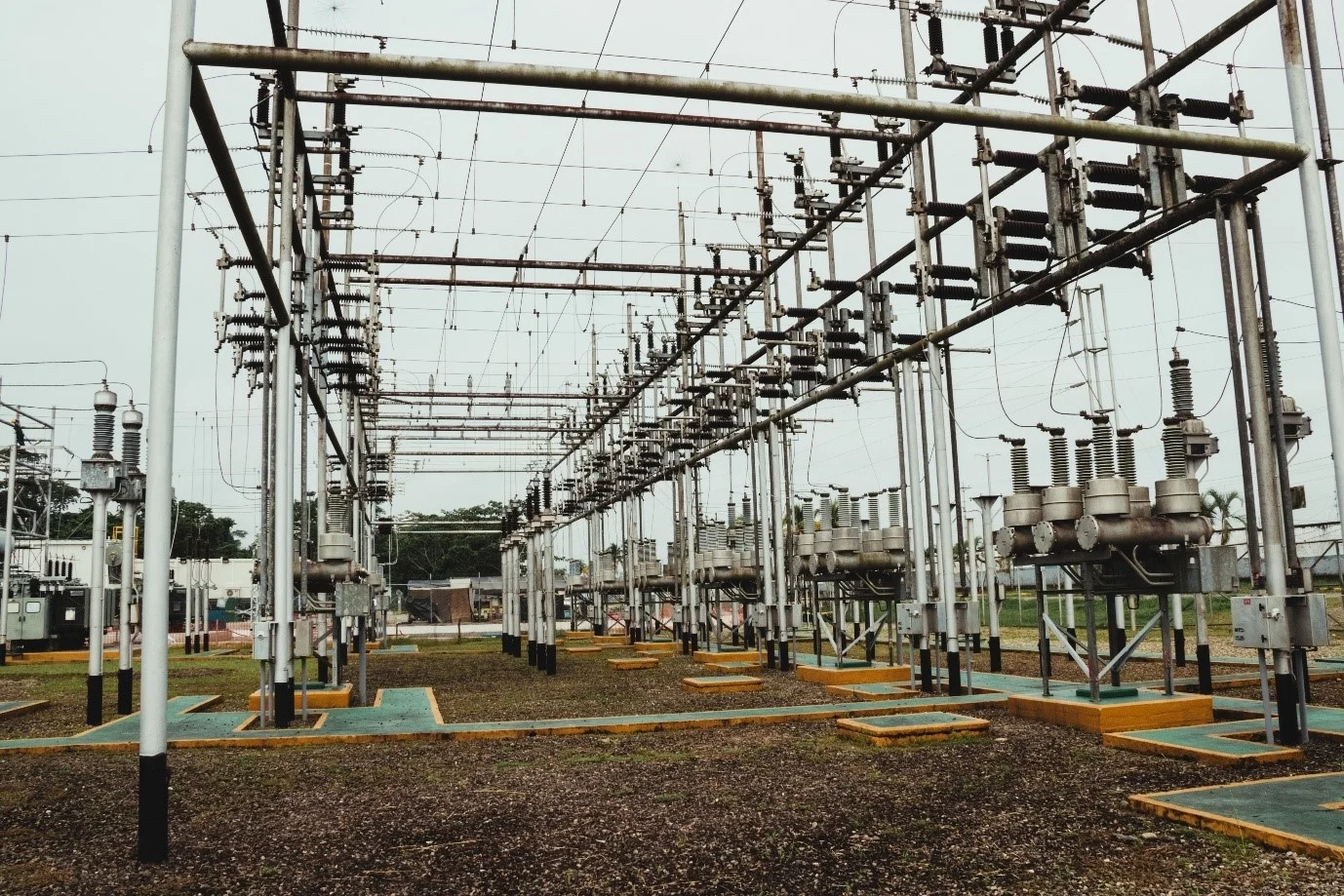
Power System Reliability is essential for ensuring continuous, stable, and efficient power supply across electrical networks. With increasing dependence on uninterrupted electricity, reliable system performance is critical for operational continuity, safety, and productivity.
At Bigeta Energy, we conduct detailed Power System Reliability Studies using ETAP-based analysis to evaluate system performance, identify vulnerabilities, and improve overall network resilience. Our studies help minimize outages, reduce operational risks, and enhance reliability across industries, utilities, infrastructure projects, renewable energy systems, and critical facilities.
What is a Power System Reliability Study and Why is it Important?
A Power System Reliability Study evaluates the ability of an electrical system to provide continuous and stable power supply under various operating conditions. Using ETAP software, the study analyzes equipment reliability, outage performance, failure rates, load variations, and network resilience to identify system vulnerabilities. The study is important because electrical systems are exposed to challenges such as increasing load demand, equipment aging, operational faults, and weather disturbances. Without proper reliability assessment, these issues can lead to power interruptions, equipment failure, downtime, revenue loss, and reduced operational efficiency. By identifying weak points and potential risks, a Power System Reliability Study helps improve system reliability, minimize outages, enhance network resilience, and ensure uninterrupted power supply for critical operations.
Key Objectives of Reliability Study
Adequacy Assessment
Security Assessment
Common Problems Due to Poor Reliability
Poor power system reliability can create several operational and technical challenges, including:
- Overloading of electrical equipment
- Unreliable power supply to consumers
- Frequent outages and shutdowns
- Production interruptions and revenue losses
- Increased maintenance requirements
- Reduced equipment life
- Lower system efficiency and performance
Reliability Indices: Key Metrics for Evaluation
System Reliability Indices
These indices evaluate the overall reliability performance of the electrical system: Average Failure Rate (λ) Average Outage Duration (r) Annual Outage Duration (U)
Energy Reliability Indices
These indices help evaluate energy interruption and associated economic impact: Interrupted Energy Assessment Rate (IEAR) Expected Energy Not Supplied (EENS) Expected Interruption Cost (ECOST)
Customer-Oriented Reliability Indices
System Average Interruption Frequency Index (SAIFI) System Average Interruption Duration Index (SAIDI) Customer Average Interruption Duration Index (CAIDI) Average Service Availability Index (ASAI) Average Service Unavailability Index (ASUI)
Our Power System Reliability Study Approach
1. Data Collection and System Assessment
We collect detailed electrical system data including network configuration, equipment details, load profiles, outage history, and protection system information for accurate analysis.
2. ETAP System Modelling
A detailed ETAP model is developed to simulate generators, transformers, feeders, transmission lines, and distribution systems.
3. Reliability Analysis and Simulation
The system is analyzed under various operating and contingency conditions such as equipment failures, outages, and load variations to evaluate reliability and resilience.
4. Reliability Metrics Evaluation
Key reliability indices such as SAIFI, SAIDI, CAIDI, and EENS are evaluated to measure system performance and outage impact.
5. Mitigation Strategy Assessment
Strategies including redundancy, automation, backup supply, and load management are assessed to improve system continuity and reduce risks.
6. Optimization and Recommendations
Practical recommendations are provided to enhance system reliability, reduce outage risks, and improve overall operational efficiency.
Key Benefits of Power System Reliability Study
Improved System Reliability
Identifies vulnerable components and reduces the risk of unexpected power outages.
Reduced Downtime and Losses
Minimizes production interruptions, equipment failures, and revenue losses caused by power disruptions.
Enhanced System Stability
Improves resilience against faults, load variations, and equipment failures for stable network operation.
Improved Consumer Satisfaction
Ensures reliable power supply, improving operational continuity and customer confidence.
Optimized Investment Planning
Supports cost-effective system upgrades and reliability improvement strategies.
Our Trusted Customers


Partner with Bigeta Energy Solutions
Unlock efficiency, drive sustainability and build a future powered by smarter energy management.