

Bigeta Energy Solutions LLP

HVAC Energy Audit

Improve HVAC efficiency for better energy savings

HVAC Energy Audit โ€“ Optimizing Efficiency, Comfort & Sustainability

A well-optimized Heating, Ventilation, and Air Conditioning (HVAC) system is critical for maintaining energy efficiency, indoor air quality, and occupant comfort in any facility. Over time, HVAC systems may develop inefficiencies, leading to increased energy consumption, higher operational costs, and reduced system lifespan. A comprehensive HVAC Energy Audit helps identify performance gaps, optimize energy use, and ensure regulatory compliance while enhancing overall system reliability.

Atย Bigeta Energy Solutions, we offer in-depthย HVAC System Auditsย to help businessesย maximize efficiency, improve operational performance, and reduce environmental impact.

Objectives of an HVAC Energy Audit

Energy Efficiency Optimization

A detailed energy analysis helps pinpoint areas of energy wastage, such as inefficient chillers, boilers, air handling units (AHUs), ductwork, and control systems. Our audits provide data-driven recommendations to enhance HVAC efficiency and reduce energy costs.
Indoor Air Quality & Comfort Enhancement

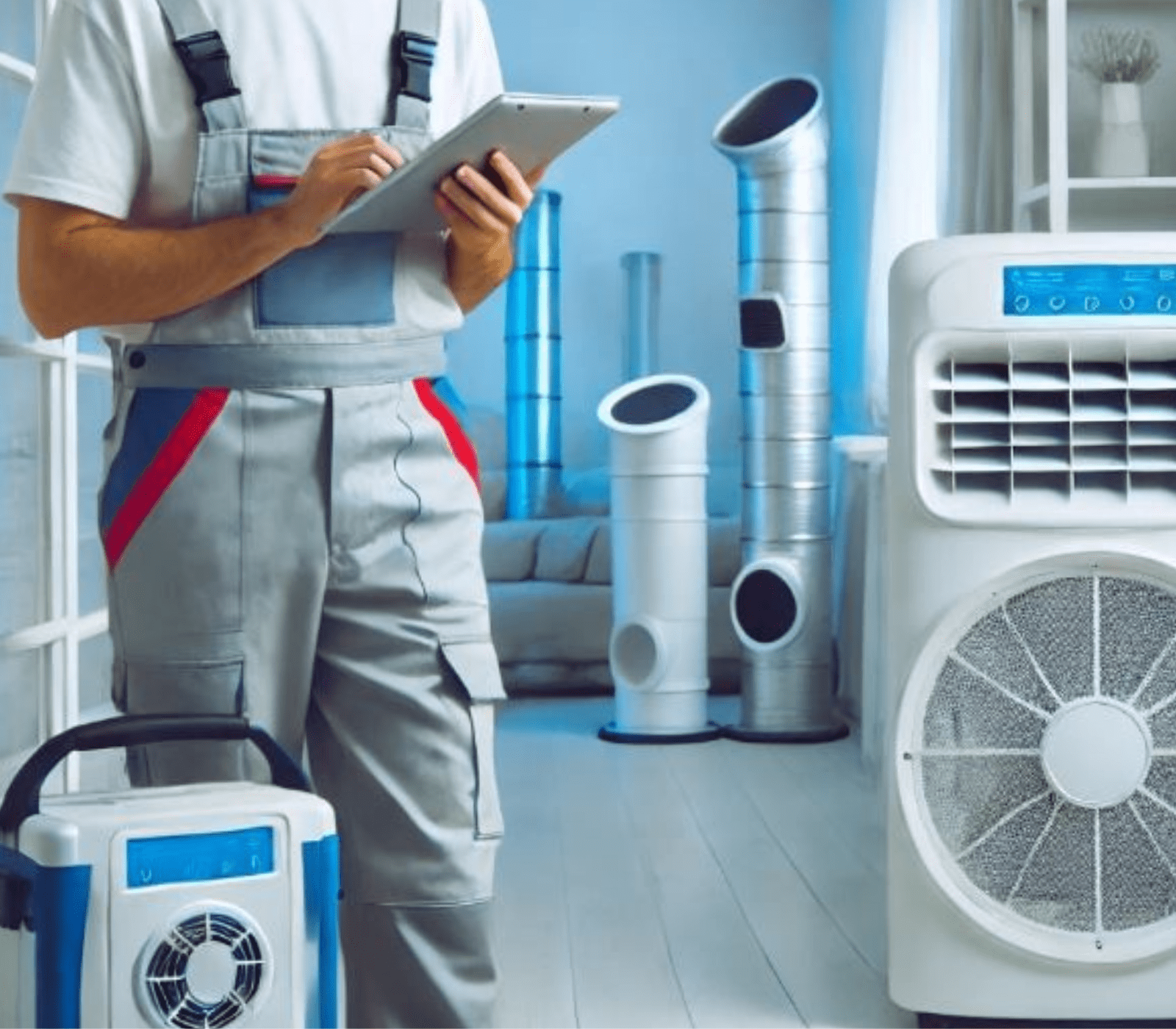
Maintaining optimal temperature, humidity, and airflow is essential for occupant health, comfort, and productivity. We assess ventilation systems, filtration mechanisms, and humidity controls to ensure optimal indoor air quality (IAQ).

Reliability & Maintenance Improvement

Aging and poorly maintained HVAC components can lead to frequent breakdowns, inconsistent performance, and high repair costs. Our audit identifies potential failures, preventive maintenance needs, and system upgrades to extend equipment lifespan.

Compliance with Industry Standards

HVAC systems must adhere to ASHRAE, ISO 50001, and other energy efficiency and safety regulations. Our audit ensures your system aligns with these standards, avoiding non-compliance penalties and enhancing sustainability.
Cost & Carbon Footprint Reduction

By optimizing HVAC operations, we help businesses cut down energy bills and lower COโ‚‚ emissions, contributing to their corporate sustainability goals. Implementing smart HVAC controls, high-efficiency motors, and advanced automation systems can further improve energy conservation.

Key Aspects of Our HVAC Energy Audit Process

System Performance Evaluation

โžค Assessment of chillers, cooling towers, air handlers, compressors, and heating units.
โžค Identification of energy inefficiencies in system operations.
โžค Evaluation of thermostat controls, dampers, and airflow balancing.


Mechanical & Electrical Inspection

โžค Condition assessment of motors, fans, ducts, and heat exchangers.
โžค Identification of leakages, pressure drops, and insulation losses.
โžค Verification of electrical connections, wiring safety, and control panel performance.

Energy Consumption Analysis

โžค Detailed energy benchmarking to compare system performance against best practices.
โžค Identification of load imbalances, peak demand issues, and unnecessary power consumption.
โžค Recommendations for energy-efficient HVAC retrofits and automation solutions.

Environmental & Sustainability Assessment

โžค Examination of refrigerant usage and emissions impact.
โžค Implementation of green building standards (LEED, IGBC, BEE Ratings, and ESG initiatives).
โžค Suggestions for renewable energy integration (solar-assisted HVAC, heat recovery, etc.).

HVAC Energy Audit

Benefits of an HVAC Energy Audit

Improve Cooling Efficiency

Reduce HVAC energy cost and downtime

    Scroll to Top