
Pump Energy Audit
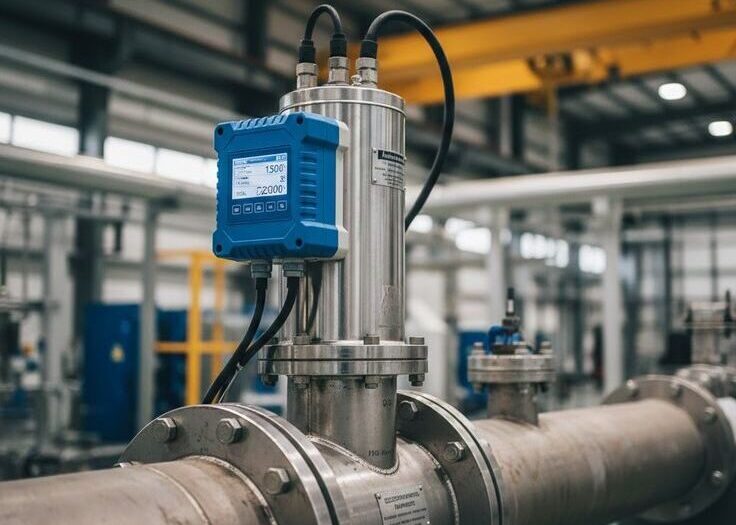
Pump systems are among the largest consumers of electrical energy in industrial and commercial facilities. In many industries, pumps account for a significant share of total motor electricity usage, yet they are often overlooked as a major energy-saving opportunity.A Pump Energy Audit is a structured technical assessment designed to evaluate pump performance, identify inefficiencies, and recommend practical measures to reduce energy consumption while improving reliability and process performance. At Bigeta Energy Solutions, we provide comprehensive Pump Energy Audit Services to help industries optimize pumping systems, reduce operational costs, improve hydraulic performance, and enhance system reliability. Our audit approach combines field measurements, hydraulic analysis, system evaluation, and performance benchmarking to identify energy-saving opportunities across the entire pumping system.
Why Pump Systems Need an Energy Audit ?
Pumping systems are frequently oversized, improperly controlled, or operated away from their best efficiency point (BEP). Over time, process changes, wear, throttling, poor maintenance, and inefficient control methods can significantly increase energy consumption.
A pump energy audit helps identify hidden losses in the pumping system and answers key operational questions:
- Is the pump operating at its best efficiency point?
- Is the pump oversized for the application?
- Are throttling losses increasing power consumption?
- Is the motor correctly sized?
- Can VFD-based control reduce energy usage?
- Are system losses caused by poor piping design or restrictions?
By addressing these issues, industries can reduce energy costs, improve process stability, and extend equipment life.
Common Issues Identified in Pump Systems
Our pump audits commonly identify the following inefficiencies:
- Oversized pumps operating at partial load
- Excessive throttling through control valves
- Low pump efficiency due to wear or improper selection
- High system head losses due to poor piping design
- Flow recirculation and cavitation
- Improper pump control strategy
- Parallel pump inefficiencies
- Motor oversizing
- Low power factor and poor electrical performance
- Lack of variable speed control
These issues not only waste energy but also reduce reliability and increase maintenance costs.
Our Pump Energy Audit Methodology
System Study and Data Collection
We begin by reviewing system design, operating philosophy, pump datasheets, process requirements, piping layout, and operating history.
Field Measurement and Testing
We conduct detailed on-site measurements to assess pump performance under actual operating conditions.
Performance Evaluation
Measured performance is compared against design conditions and benchmarked with expected efficiency values.
Hydraulic System Analysis
We evaluate system head, friction losses, control losses, flow distribution, and operating stability.
Energy Performance Assessment
We quantify energy losses and identify optimization opportunities with technical and financial analysis.
Recommendation and Implementation Roadmap
We provide prioritized recommendations with savings potential, investment estimate, and payback analysis.
Frequently Asked Questions
What is a pump energy audit?
How much energy can be saved through a pump audit?
Which industries benefit from pump energy audits?
What are the common pump losses?
How often should pump systems be audited?
Our Trusted Customers


Partner with Bigeta Energy Solutions
Unlock efficiency, drive sustainability and build a future powered by smarter energy management.