
Electrical Safety Audit and Reliability
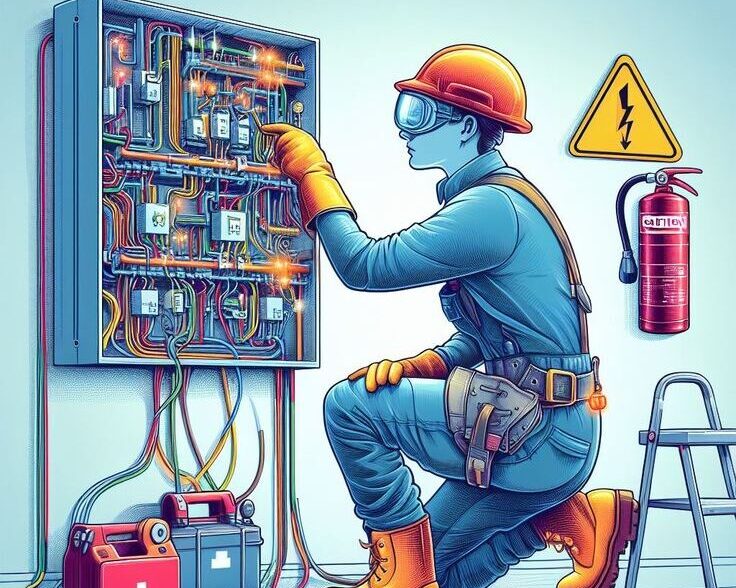
Electrical systems are the circulatory system of every modern industrial and commercial facility. When they fail — or when they operate outside safe parameters — the consequences range from equipment damage and unplanned downtime to arc flash incidents, electrical fires, and fatalities. Bigeta Energy Solutions is one of India’s leading electrical safety audit and reliability consulting firms, providing a full spectrum of services that identify hazards before they cause harm, verify compliance with statutory and international standards, and build the systemic resilience your operations depend on. Our team of BEE-certified energy auditors, IEEE-trained power system engineers, and ISO 45001 implementation specialists brings together technical depth and practical field experience across manufacturing, healthcare, data centres, commercial buildings, and utilities. From a first-time electrical safety audit to a comprehensive power system reliability programme — we deliver findings that are actionable, evidence-based, and fully aligned with Indian and international standards.
What Is an Electrical Safety & Reliability Audit?
An Electrical Safety & Reliability Audit is a structured, measurement-based evaluation of your electrical infrastructure — from incoming utility supply through HT switchgear, transformers, LV distribution panels, cables, earthing systems, and protection relays — assessed against applicable Indian Standards (IS), IEC, IEEE, and statutory requirements including the CEA Regulations 2010 and the Factories Act 1948. The audit serves two complementary objectives: Safety — identifying hazards that could cause injury, fatality, fire, or equipment damage; and Reliability — assessing the resilience of the electrical system, identifying single points of failure (SPOF), and ensuring protection systems will respond correctly to abnormal conditions. These two objectives are inseparable: an unreliable electrical system is inherently an unsafe one.
Our Electrical Safety & Reliability Services
Power Quality Assessment
Measurement and analysis of voltage sags, swells, harmonics (IEEE 519), flicker, and power factor using Class A power quality analysers. Identifies power disturbances causing equipment malfunction, overheating, and premature failure.
Arc Flash Study
Incident energy calculation per IEEE 1584-2018, arc flash boundary determination, PPE category assignment (NFPA 70E), and hazard label preparation. Mandatory for any facility where workers may be exposed to energised electrical equipment.
Short Circuit Study
Fault current analysis at every node in the power system to verify that switchgear, cables, and bus bars have adequate rated breaking capacity. Non-compliant equipment is a critical safety risk during fault events.
Electrical Safety Audit
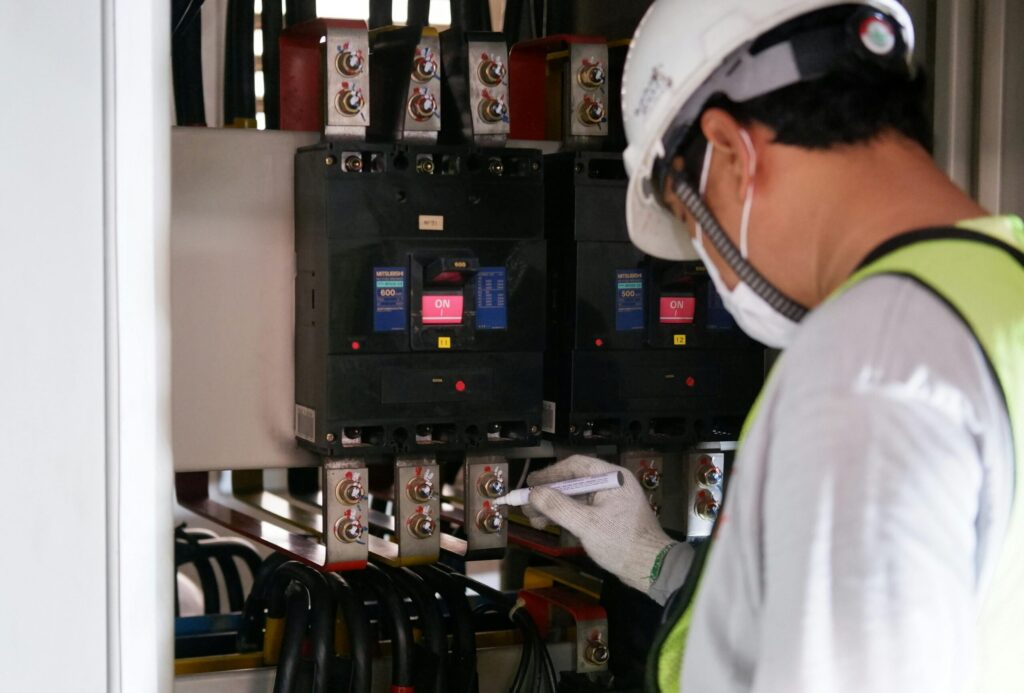
Comprehensive on-site inspection covering HT/LT switchgear, earthing, cable installations, panel wiring, protection settings, metering, and compliance against IS 3043, IS 732, CEA Regulations 2010, and the Factories Act 1948.
General Safety Audit
Holistic workplace safety review covering not just electrical systems but also mechanical, civil, fire, and process safety aspects — aligned with IS 14489, ISO 45001, and applicable statutory requirements.
Thermographic Survey
Infrared thermal imaging of all energised panels, switchgear, bus bars, cable terminations, and transformers under full load. Identifies hot spots from loose connections, overloaded conductors, and equipment degradation before failure occurs.
ISO 45001:2018 OH&S MS
Gap assessment, implementation support, documentation, internal audits, and certification preparation for ISO 45001 — the international standard for occupational health and safety management systems.
Root Cause Analysis
Structured investigation of electrical failures, fires, and incidents using 5-Why, Fishbone (Ishikawa), and Fault Tree Analysis (FTA) methodologies. Delivers root cause identification and corrective actions to prevent recurrence.
Environmental Assessment
Assessment of the environmental compliance and impact of electrical operations — transformer oil PCB testing, battery disposal, SF6 gas emissions from switchgear, and compliance with Environment Protection Act requirements.
Key Benefits of Our Electrical Safety & Reliability Services
Prevent Incidents Before The Happen
Identify arc flash hazards, earthing failures, overloaded cables, and protection miscoordination before they cause injury or equipment damage.
Statutory Compliance Assurance
Demonstrate compliance with CEA Regulations 2010, Factories Act 1948, IS 3043, and IS 732 — protecting your operating licence and reducing legal exposure.
Reduced Unplanned Downtime
Thermography and reliability auditing identify developing faults — from loose connections to failing equipment — before they cause unplanned shutdowns.
Lower Insurance Premiums
An independent electrical safety audit report is recognised by industrial insurers and can support premium reduction applications and renewal negotiations.
ISO 45001 Readiness
Our audit findings and corrective actions align directly with ISO 45001 requirements, accelerating your path to OH&S management system certification.
Defensible Due Diligence
Independent audit documentation provides a legally defensible record of due diligence — critical for management accountability and regulatory inspections.
Standards & Regulations We Apply
- 𝗖𝗘𝗔 𝗥𝗲𝗴𝘂𝗹𝗮𝘁𝗶𝗼𝗻𝘀 2010 – Measures Relating to Safety and Electric Supply — mandatory for all HT electrical installations in India. Specifies earthing, protection, clearances, and inspection requirements.
- 𝗙𝗮𝗰𝘁𝗼𝗿𝗶𝗲𝘀 𝗔𝗰𝘁 1948 – Safety provisions for electrical installations in factory premises — mandatory electrical testing, competent person requirements, and accident reporting obligations.
- 𝗜𝗦 3043:2018 – Code of Practice for Earthing — electrode design, earth resistance limits, bonding, and testing methodology for LV and HV systems.
- 𝗜𝗦 732 – Code of Practice for Electrical Wiring Installations — covers cable selection, installation methods, circuit protection, and wiring rules for Indian installations.
- 𝗜𝗘𝗘𝗘 1584-2018 – Guide for performing arc flash hazard calculations — incident energy analysis, arc flash boundary, PPE category determination, and labelling requirements.
- 𝗡𝗙𝗣𝗔 70𝗘 – Standard for Electrical Safety in the Workplace — framework for electrical safety programmes, LOTO procedures, PPE requirements, and arc flash protection boundaries.
- 𝗜𝗘𝗖 60364 (1-7) – Low-voltage electrical installations — design, selection, erection, inspection, and testing of electrical systems in buildings and industrial premises.
- 𝗜𝗦𝗢 45001:2018 – Occupational Health and Safety Management System — framework for systematic management of workplace safety hazards, risk, and continual improvement.
- 𝗜𝗦 13947 / 𝗜𝗘𝗖 60947 – Low-voltage switchgear and controlgear — performance, testing, and rating requirements for circuit breakers, contactors, and control devices.
Frequently Asked Questions
What does an electrical safety audit cover in an Indian industrial facility?
How often should an electrical safety audit be conducted?
What is an arc flash study and does my facility need one?
What is the difference between an electrical safety audit and a thermographic survey?
Can Bigeta help us achieve ISO 45001 certification?
Our Trusted Customers


Partner with Bigeta Energy Solutions
Unlock efficiency, drive sustainability and build a future powered by smarter energy management.