
Power Quality Training
Overview of Power Quality Training
Bigeta Energy Solutions has carried out hundreds of Power Quality Assessments and Electrical Safety Audits for organisations such as Boeing, Caterpillar, Saint-Gobain, TVS, Infosys, ITC, Airtel and Page Industries. Working across manufacturing, pharmaceuticals, aerospace, IT and infrastructure, we have uncovered problems that earlier assessments had missed, addressed faults that had gone unresolved for years and produced improvements that are both measurable and lasting. This programme is designed to give participants a working understanding of Power Quality the technical knowledge, the diagnostic approach and the practical confidence to recognise and address these challenges in their own facilities.
Power Quality Training
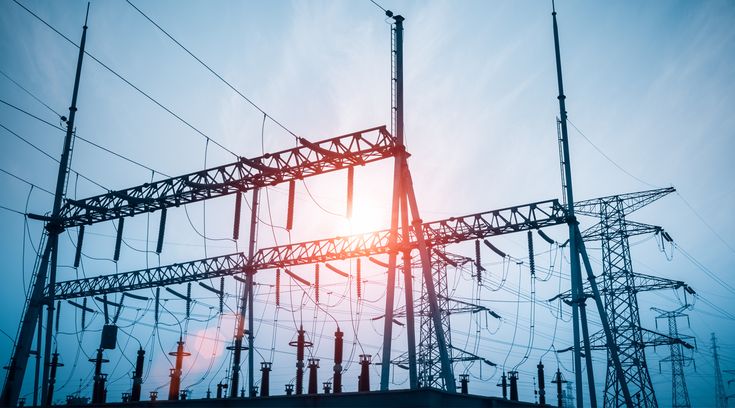
Modern electrical infrastructure is under siege not from external threats but from within. Voltage sags, Harmonic Distortion, Transients, Flicker and Power Factor degradation silently erode equipment performance, inflate operational costs and accelerate insulation breakdown in ways that conventional fault detection systems never flag. Our training program dives deep into IEEE 519, IEC 61000, and EN 50160 standards arming engineers, energy managers and facility teams with the technical precision to measure, analyze and mitigate disturbances using power analysers, Harmonic Spectrum analysis, and PQ event logging.
From THD benchmarking to Capacitor Sizing For Reactive Compensation From Transient Suppression Strategies to neutral conductor loading every module is built for real-world applications.
Key Benefits of Power Quality Training
1. Early Problem Detection
Trained professionals can identify early warning signs of harmonic distortion, voltage fluctuations, or power factor degradation during routine inspections — well before these issues trigger equipment failure or unplanned downtime. Early detection saves time, effort, and significant cost.
2. Reduced Downtime
With the right knowledge, teams diagnose electrical disturbances faster and more accurately. That means less time troubleshooting in the wrong direction and quicker restoration of normal operations when issues arise.
3. Better Energy Efficiency
A solid understanding of power factor correction and harmonic mitigation enables teams to actively cut wasteful energy consumption — translating directly into lower electricity bills and a more efficient operation overall.
4. Smarter Equipment and System Decisions
When teams understand how power quality impacts performance, they are better positioned to specify the right equipment, apply appropriate protection, and implement solutions that target root causes rather than surface-level symptoms.
5. Regulatory Compliance
For facilities governed by utility regulations or international standards such as IEEE 519 or IEC 61000, trained staff help ensure the organisation remains compliant and avoids penalties or grid-related complications.
6. Improved Safety
Poor power quality can cause overheating in cables, transformers, and switchgear — creating genuine fire and safety hazards. A well-trained team is far better equipped to identify and eliminate these risks before they become dangerous.
7. Longer Equipment Life
Voltage fluctuations, harmonic stress, and supply unbalance gradually degrade motors, transformers, and sensitive electronics. Training helps teams take proactive steps to protect assets and extend their operational lifespan.
8. A More Capable Workforce
Beyond the technical advantages, training builds confidence. Staff who truly understand their electrical environment make better day-to-day decisions, take a more proactive approach to maintenance, and contribute to a more reliable, cost-conscious operation as a whole.
Our Trusted Customers


Partner with Bigeta Energy Solutions
Unlock efficiency, drive sustainability and build a future powered by smarter energy management.